The psychology behind gambling understanding the mental impacts and behaviors
The Allure of Gambling: Why People Engage
Gambling has always captivated individuals across cultures and generations. The thrill of winning, the possibility of transforming a small investment into a significant return, creates a psychological attraction that many find irresistible. People often perceive gambling as a chance to escape their daily routines, providing an adrenaline rush that can momentarily overshadow life’s pressures. This exhilarating experience can entice even the most cautious individuals to engage, sometimes leading them down a path they hadn’t anticipated. Many find that playing at casino mafia adds to the excitement and sense of escape.
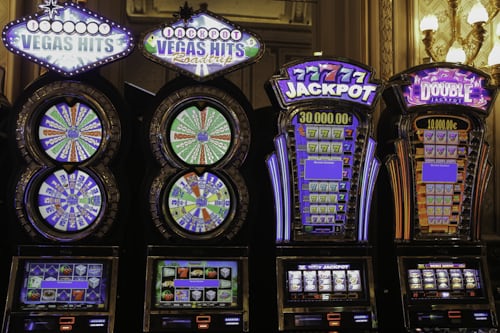
Additionally, the social aspect of gambling plays a crucial role in its allure. Many people enjoy the camaraderie found in casinos or online platforms, where they can share the highs and lows of the gaming experience with friends or fellow players. This social interaction can reinforce gambling behaviors, as individuals may feel more compelled to participate when they witness others enjoying success. The combination of the thrill and social engagement establishes a potent draw towards gambling that can be hard to resist.
Moreover, the environment of a casino or an online gaming platform is meticulously designed to stimulate excitement. Bright lights, captivating sounds, and even the smells associated with certain venues are strategically employed to enhance the gaming experience. This sensory overload can lead to a euphoric state, making it easier for individuals to lose track of time and money. Understanding these psychological triggers is essential for recognizing the motivations behind gambling behavior.
The Psychological Impacts of Gambling
While gambling can provide temporary enjoyment, it can also lead to severe psychological effects. One of the most notable issues is the development of gambling addiction. This condition manifests when individuals increasingly prioritize gambling over other aspects of life, such as work, family, or personal health. The cycle of winning and losing can create emotional highs and lows that may lead to depression, anxiety, or other mental health disorders as individuals struggle to manage their behaviors.
The phenomenon known as “loss chasing” often exacerbates the psychological toll of gambling. After a loss, individuals may feel compelled to gamble again in an attempt to recoup their losses, which can create a vicious cycle of riskier bets and more significant losses. This behavior can escalate to the point where individuals find themselves in financial distress, further intensifying feelings of guilt and shame. Recognizing this pattern is critical for those who wish to break free from the cycle of gambling.
Moreover, the stigmatization of gambling addiction can lead to isolation for those affected. Many individuals suffering from this condition are reluctant to seek help due to fear of judgment or misunderstanding from friends and family. This isolation can contribute to a decline in mental health, as individuals feel they must navigate their struggles alone. Awareness of these issues is vital for fostering a supportive environment where individuals can seek help without fear of stigma.
The Role of Cognitive Biases in Gambling
Cognitive biases significantly influence gambling behavior, often leading players to develop unrealistic expectations. One common bias is the “gambler’s fallacy,” where individuals believe that previous outcomes will impact future results. For instance, someone may think that a slot machine is “due” for a win after a series of losses, leading them to gamble more. This distorted thinking can reinforce the gambling habit, making it difficult for individuals to recognize the randomness of most games.
Another prevalent cognitive bias is “confirmation bias,” which occurs when individuals pay attention only to information that confirms their existing beliefs. In gambling, players might focus on their wins while ignoring their losses, creating a false sense of success. This selective perception can motivate continued gambling and justify risky behaviors. Understanding these biases can empower individuals to make more informed decisions regarding their gambling habits.
Furthermore, the idea of “near misses” plays a significant role in gambling psychology. Players often feel a thrill when they come close to winning, even if they ultimately lose. This phenomenon can create a sense of hope and encourage continued play, despite the actual odds. Recognizing how cognitive biases and emotional responses interplay in gambling can help individuals develop healthier gambling practices and make more rational decisions.
Strategies for Responsible Gambling
Responsible gambling requires a conscious effort to understand and manage one’s gambling behaviors. Setting limits on time and money spent on gambling is a crucial strategy for ensuring that individuals do not cross the line into problematic behavior. Many online platforms offer tools that help users establish spending limits, which can be a helpful starting point for promoting responsible habits. By enforcing these boundaries, individuals can enjoy gambling while minimizing the risks associated with addiction.
Another effective strategy is self-assessment. Individuals should regularly evaluate their gambling behavior to identify potential warning signs of addiction. This could include tracking how much time and money they spend gambling or reflecting on the emotional impact of their gambling experiences. Awareness of these factors can encourage individuals to seek support or intervention if necessary, allowing them to address their gambling before it spirals out of control.
Lastly, education plays a significant role in responsible gambling. Understanding the odds and probabilities associated with various games can demystify gambling, helping individuals make informed decisions. Online resources, community programs, and counseling services are available to assist those struggling with gambling behaviors. By fostering a culture of education and awareness, we can better support responsible gambling practices.

Mafia Casino: A Safe and Responsible Gaming Environment
Mafia Casino, launched in 2025, is dedicated to providing a secure and enjoyable online gaming experience for players. With a robust welcome bonus and a diverse selection of games, including thousands of slots and live dealer options, it aims to cater to both casual gamers and avid players. Importantly, the platform emphasizes player safety through stringent KYC (Know Your Customer) checks, ensuring that users can gamble with confidence.
The user-friendly interface and ongoing promotions make Mafia Casino an appealing choice for gamers in New Zealand. By prioritizing responsible gambling practices, the platform encourages players to set limits and enjoy their gaming experience without jeopardizing their well-being. Furthermore, dedicated customer support is available to assist users in navigating any challenges they may face during their gambling journey.
In conclusion, understanding the psychology behind gambling is essential for fostering a safe gaming environment. Mafia Casino is committed to promoting responsible gambling while offering an exhilarating experience for all players. By combining engaging gameplay with a focus on mental well-being, the platform stands out as a top choice for those seeking an enjoyable online gambling experience.